What Are the Signs of a Termite Issue in Scarborough?
If you think a termite infestation, the safest approach is to https://richmond-hill-onkn975.wordcanopy.com/posts/scarborough-on-vs-mississauga-on-top-places-to-visit look for early signs of termites before the wood damage spreads. In Scarborough, even a small issue can become serious because termite activity often stays hidden inside walls, floor joists, and around the foundation. That means visible signs may appear only after there is already hidden damage. For homeowners looking for pest control Scarborough, knowing what to watch for can help protect structural integrity and reduce repair costs.
Scarborough’s mix of older detached homes, townhomes, and newer subdivisions all face risk. Older homes may have more moisture issues, cracks, and aging materials. Newer homes can still be vulnerable if there is wood-to-soil contact, landscaping that holds moisture near the foundation, or debris around the exterior. Add in basement humidity, snowmelt, and heavy rain common in the Toronto/Scarborough climate, and termites can find the conditions they need to move in.
What are the earliest signs of termites in a home?
The earliest signs of termites are often easy to miss, which is why early detection matters. You may notice termite damage only after a homeowner taps on trim or baseboards and hears a empty sound, or after paint starts to raise and the surface begins to look wavy. These are all visible signs that can point to concealed damage inside the wood.
One of the most common clues is mud tubes. Subterranean termites build these pencil-sized tunnels to pass between the soil and the wood they feed on. You may find them along a foundation wall, in a basement, near a crawl space, or where exterior soil meets siding or framing. If you see mud tubes, that is clear evidence of termites and should lead to an inspection right away.
Discarded wings are another major warning sign. When termite swarmers emerge, they shed their wings soon after landing. These small wings may collect on windowsills, near light fixtures, on basement floors, or around doors and vents. Because swarmers are flying termites, many homeowners mix them up with other winged insects at first, but discarded wings often signal that a reproductive swarm has already taken place nearby.
You may also see wood deterioration around baseboards, window frames, door casings, or flooring. Soft wood can feel weak or give way when pressed. In some cases, paint may look normal while the wood underneath has been emptied out. That is one reason termites are so troublesome: they can create major termite damage before the home shows obvious exterior warning signs.
- Watch for mud tubes on foundation walls and basement surfaces.
- Look for discarded wings near windows, lights, and entry points.
- Check for hollow or soft wood along trim and framing.
- Notice blistering paint, warped surfaces, or small areas of wood deterioration.
If these signs appear, it does not automatically prove a termite problem, but it does mean you should arrange a home inspection quickly. A qualified professional can determine whether the evidence points to termites or another pest.

How do these pests harm wood and building materials?
These insects break down wood by digesting cellulose, which is found in framing lumber, floors, trim, and other building materials. In Scarborough homes, subterranean termites are the main concern because they live underground and move into structures from the soil. They usually remain hidden, which lets them weaken important components before anyone notices.
As termites feed, they tunnel through wood and leave thin outer layers intact. That can make a piece of lumber seem solid on the surface while it has become hollow-sounding wood inside. A simple tap test may reveal the issue: damaged areas often sound papery compared with solid wood. The interior can be riddled with channels, leading to hidden damage that spreads through walls, joists, and trim.
Termites can also undermine structural beams and other load-bearing pieces. This is where termite damage becomes more than a cosmetic problem. If beams, joists, or sill plates are weakened, the home’s structural integrity can suffer. In serious cases, the result may be sagging floors, sticking doors, uneven ceilings, or buckling floors. These changes do not always happen overnight, but they can be expensive and disruptive if the infestation is not addressed early.
Unlike some pests, termites do not leave obvious droppings in large piles. Still, in some situations you may see frass, which is a term often associated with drywood termites and other wood-damaging insects. Frass looks like tiny pellets or sawdust-like material near the affected area. In Ontario homes, frass is less common with subterranean termites, but it is still worth noting if you find wood debris near damaged trim or flooring.
An infestation often affects more than one material. The insects may damage drywall backing, insulation edges, and subflooring as they move through the structure. That is why a thorough inspection is so important: the visible spot may only reveal part of the infestation.
Because termites can stay hidden in walls, framing, and foundations for a long time, even minor-looking signs may point to a larger infestation.
Which areas and zones in Scarborough homes are most at risk?
In Scarborough, termites are most likely to occur where moisture and wood intersect. That makes basements and crawl spaces especially important to inspect. These areas often have cooler temperatures, higher humidity, and less ventilation, particularly after snowmelt or periods of heavy rain. If a basement has damp corners, condensation, or past water seepage, it can become attractive to subterranean termites.
The foundation is another key risk zone. Cracks, gaps, and unsealed penetrations can enable termites to move from soil into the structure. Foundation cracks may also signal water entry, and moisture is one of the biggest factors that supports termite activity. In many Toronto-area homes, especially those with older concrete blocks or aging seals, moisture issues around the foundation can create a pathway for infestation.
Homes with crawl spaces deserve extra attention because these spaces often combine wood framing, poor airflow, and damp ground conditions. If there is any direct contact between wood and soil, the risk rises further. This is why homeowners should regularly check for wood-to-soil contact around decks, porch steps, shed additions, and low exterior framing.
Outside the home, landscaping can add to risk. Dense mulch, stacked firewood, overgrown shrubs, and soil piled too high against the foundation all hold moisture near the structure. Scarborough properties with mature trees, shaded yards, and older garden beds may be especially prone to these conditions. Even newer subdivisions can develop risk if grading slopes toward the house or drainage is poor.
For local homeowners, the issue is not limited to one style of property. Detached homes may have crawl spaces, attached garages, or older additions. Townhomes may have shared walls and compact drainage concerns. Newer subdivisions may still develop moisture problems around grading and landscaping. In every case, termite prevention depends on minimizing access to moisture and keeping wood away from soil.
Mosquito Man Scarborough1225 Kennedy Rd, Scarborough, ON M1P 4Y1, Canada
+1 647-243-7241
https://maps.app.goo.gl/8SuLx1MkkqVJFc2m9 https://mosquitoman.ca/pest-control/scarborough/
43.7561897, -79.2751574
- Inspect basements for moisture, seepage, and mud tubes.
- Check crawl spaces for moisture levels, wood contact, and hidden damage.
- Inspect the foundation for fractures, openings, and outside soil accumulation.
- Assess landscaping for mulch buildup, excess watering, and wood debris.
What does termite activity look like compared with other pests?
Termite activity is often confused with other insects, especially carpenter ants and powderpost beetles. Knowing the difference can help you decide whether you need immediate pest management or a different kind of treatment. A professional inspection is the most dependable way to confirm the problem, but there are some clues homeowners can use first.
Carpenter ants do not eat wood the way termites do. Instead, they excavate it to create nesting galleries. You may find rough sawdust-like material near their activity, but the wood damage pattern is often different from termite damage. Carpenter ants also tend to be larger and may be seen moving across baseboards, counters, or windows. If you see winged insects indoors, they may be ant swarmers rather than termites, but the body shape is different: ants have a pinched waist, while termites have a more uniform body shape.
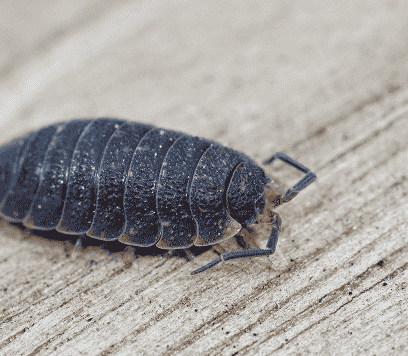
Powderpost beetles are another source of confusion. Their larvae bore into wood and can leave very fine powder and tiny exit holes. Unlike termites, they do not usually create mud tubes. The damage may look like a dust-covered surface rather than tunneling connected to the foundation. If you see little holes and powder near wooden furniture, flooring, or trim, powderpost beetles may be the issue.
Termites, by contrast, often leave winged insects or swarmers, discarded wings, and mud tubes as the most telling evidence. They may also cause wood that sounds hollow, blistering paint, soft wood, and subtle structural changes. Because of the overlap with other pests, it is smart not to rely on one clue alone. A proper inspection can identify the insect correctly and help prevent the wrong treatment approach.
In Scarborough homes, especially older suburban houses, visual clues may be hidden behind drywall or under flooring. That is why homeowners should not wait once they suspect termite activity. The sooner the problem is identified, the more options there may be for treatment and repair.
When should you contact pest control in Scarborough?
You should reach out to pest control Scarborough as soon as you notice signs that may indicate termite activity. That includes earthen tubes, dropped wings, wood that sounds hollow, peeling paint, or unexpected soft spots in flooring and trim. If the signs are near the foundation, basement, or crawl space, the need for a quick response is even greater.
A expert inspection is the first stage. A skilled inspector can determine whether you are dealing with termites, carpenter ants, powderpost beetles, or a different issue. They can also look for hidden damage in areas homeowners usually miss, such as sill plates, joists, plumbing penetrations, and behind finished walls. This kind of inspection is especially important because termite activity can go unnoticed long before visible damage appears.
If termites are confirmed, the next step is a personalized service plan. That may include baiting, precise application, or another method based on the severity of the infestation and the layout of the property. A pest professional can outline the best option for the home and assist in lowering the chance of further structural damage. In more advanced cases, the treatment plan may need to be paired with foundation repair or wood replacement, depending on how far the infestation has spread.
Residents should additionally consider future prevention. After extermination, termites can reappear if moisture, ground contact, and access points are not corrected. For this reason many pest control services in the Scarborough area include prevention planning as part of the treatment. A effective plan targets both the existing infestation and the conditions that allowed it to happen.
If you are not sure whether the signs are serious, err on the side of caution. Calling a qualified exterminator early is typically more manageable than holding off until flooring sags or walls show obvious structural damage.
How can Scarborough homeowners prevent a termite issue?
Successful termite prevention starts with controlling the factors that attract termites. The main factor is moisture control. Since subterranean termites thrive in wet conditions, reducing basement humidity, fixing leaks quickly, and improving drainage around the home can cut risk. In Scarborough, this matters especially after snowmelt, spring rains, and heavy summer storms that can leave foundation areas damp for days.
Keep an eye on the exterior foundation and ensure gutters, downspouts, and grading direct water far from the house. If water pools near the base of the building, the foundation stays damp longer and becomes more attractive to pests. Ventilating basements and crawl spaces can also help, particularly in older homes where airflow is limited.
Another crucial step is eliminating wood-to-soil contact. Wood siding, deck posts, fence boards, steps, and stored lumber should not sit directly on the ground where termites can access them easily. Store firewood off the soil and away from the foundation, and avoid piling mulch too high against the home. These small changes can make a big difference in local pest control and termite prevention.
Landscaping also matters. Trim shrubs back from the house, avoid creating dense mulch beds against the foundation, and remove old tree stumps, dead roots, and wood debris around the yard. In parts of Scarborough and the wider GTA where mature trees and established landscaping are common, this is especially important. A shaded, moisture-holding yard can create the perfect environment for termites to explore the home’s exterior.
Finally, make regular maintenance part of your home care routine. Check basement walls, crawl spaces, and foundation edges for new cracks, moisture problems, or signs of insects. Repair leaks, seal gaps, and inspect wood components around porches, decks, and additions. Routine upkeep supports structural integrity and helps spot warning signs before they turn into costly wood damage.
- Control humidity in cellars and underfloor spaces.
- Fix leaks, seepage, and water flow issues quickly.
- Remove timber debris and reduce contact between wood and soil.
- Keep landscaping and mulch away from the home foundation.
- Set up periodic expert inspection for timely identification.
Common questions about termite signs and termite treatment
What’re the most common warnings of a termite problem?
Common signs of a termite problem include mud passages, left-behind wings, hollow wood, weakened wood, blistering paint, and visible wood deterioration. You might also see buckling floors, minor structural damage spots, or winged termites around window frames and light fixtures. As termites usually stay concealed, any of these clues should be considered seriously and followed up with a professional inspection.
Are termites common in Scarborough, ON homes?
Yes, termites can be a concern in Scarborough, ON, especially in homes with moisture in basements, crawl space dampness, damaged foundations, or wood-to-soil contact. Scarborough’s mix of older single-family homes, townhouses, and recent neighborhoods means there are many property types that can face risk. Spring thaw, periods of rain, and damp basement conditions in the Toronto area can also support termite activity.
How can I tell termites from carpenter ants or other bugs?
You can often identify termites by mud tunnels, discarded wings, wood that sounds hollow, and damage concealed in framing. Carpenter ants usually leave different evidence and do not build mud tubes. Powderpost beetles may leave sawdust-like powder and tiny exit holes, but they typically do not create the same foundation-based signs as subterranean termites. Since these pests can seem alike to the untrained eye, a professional pest inspection is the best way to confirm the cause.
Are termites able to cause serious structural damage before I notice them?
Absolutely. Termites can cause significant structural damage before obvious signs appear because they eat wood from the inside and often stay hidden in walls, lower levels, crawl spaces, and around the foundation. By the time homeowners notice warped floors, warped trim, or hollow wood, there may already be major hidden damage. That is why early detection and quick treatment are so important.
Who do I call for termite inspection and pest control in Scarborough?
You should call a professional exterminator that offers local pest control and termite-focused pest control services in Scarborough. Look for a company that can provide a complete property inspection, properly identify the pest, outline the treatment plan, and offer prevention tips. If termites are confirmed, prompt action can help reduce repair needs and preserve the home’s structure.